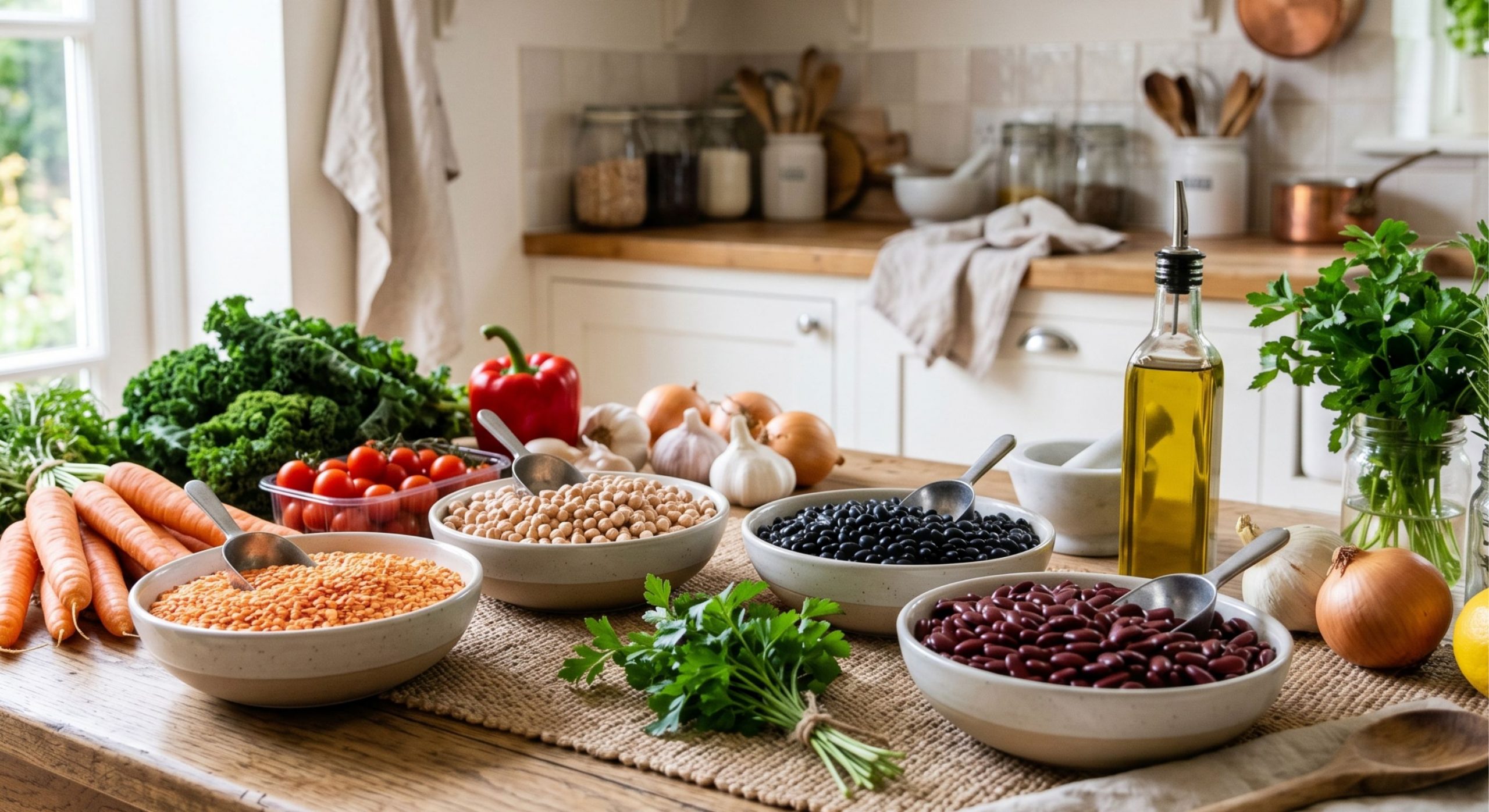
Beans and legumes are often recommended as part of a healthy diet — but if you’re living with diabetes, it’s natural to wonder how they actually affect your blood sugar.
The answer is reassuring: beans can be a valuable part of a diabetes-friendly eating plan. However, like most carbohydrate-containing foods, how you prepare them, portion them, and pair them with other ingredients makes all the difference.
This guide explains the best beans for diabetes, how they impact blood glucose levels, and how to include them in balanced meals that support steady energy and long-term health.
Are Beans Good for Blood Sugar?
Beans contain carbohydrates, but they also provide a unique combination of nutrients that help moderate their impact on blood sugar.
- Dietary fiber slows digestion and helps prevent rapid glucose spikes
- Protein supports satiety and helps stabilize post-meal blood sugar
- Complex carbohydrates provide more gradual energy compared to refined carbs
Because of this, most beans have a low to moderate glycemic index, meaning they raise blood sugar more slowly than highly processed foods.
That said, portion size and overall meal balance still matter. Beans are beneficial — but they are not “free foods.”
Quick List: Best Beans for Diabetes
The following beans are among the most diabetes-friendly choices due to their fiber content and overall glycemic impact:
- Lentils – exceptionally high in fiber and one of the lowest glycemic options
- Chickpeas – balanced in carbohydrates and protein, versatile in many dishes
- Black beans – rich in fiber and antioxidants
- Kidney beans – hearty and filling, ideal for meals that promote satiety
- Navy beans – supportive of heart health and blood sugar balance
Explore related recipes:
- Lentil recipes for diabetes
- Chickpea recipes
- Black bean recipes
- Bean soup recipes
- Low-carb bean recipes
Beans and Glycemic Impact
While all beans contain carbohydrates, their effect on blood sugar varies depending on fiber content and preparation.
| Bean Type | Glycemic Impact | Key Benefit |
|---|---|---|
| Lentils | Low | Very high fiber, slow digestion |
| Chickpeas | Low–Moderate | Balanced protein and carbs |
| Black Beans | Moderate | Fiber-rich and filling |
| Kidney Beans | Moderate | Hearty and nutrient-dense |
| Pinto Beans | Moderate | Common and versatile |
Portion Size: How Much Is Appropriate?
A typical serving of beans for someone managing diabetes is about 1/2 cup of cooked beans.
This provides beneficial nutrients without contributing excessive carbohydrates.
- 1/2 cup cooked beans: approximately 15-20 grams of carbohydrates
- 1 cup cooked beans: approximately 30-40 grams of carbohydrates
Beans should generally be counted as part of your carbohydrate intake for the meal.
How to Eat Beans Without Causing Blood Sugar Spikes
Beans are most effective when incorporated into balanced meals. A few practical strategies can make a meaningful difference:
- Pair beans with lean protein such as chicken, fish, eggs, or tofu
- Add healthy fats like olive oil, avocado, or nuts
- Include non-starchy vegetables to increase fiber and volume
- Avoid sugary sauces or heavily processed preparations
- Build complete meals rather than eating beans on their own
Example of a balanced meal:
- Grilled chicken or fish
- ½ cup black beans
- Roasted or steamed vegetables
- A small amount of olive oil or avocado
This type of meal slows digestion and helps maintain more stable blood sugar levels.
Common Mistakes to Avoid
Even nutrient-dense foods like beans can contribute to blood sugar fluctuations if not used thoughtfully.
- Eating large portions without balancing the meal
- Choosing baked beans or other sweetened varieties
- Pairing beans with refined carbohydrates such as white rice or white bread
- Overlooking total carbohydrate intake for the meal
Consistency and balance are key.
Beans Compared to Rice and Other Carbohydrates
Beans are generally a better option than refined carbohydrates like white rice when it comes to blood sugar control.
They provide more fiber and protein, which slow digestion and improve satiety.
For those who enjoy rice, combining smaller portions of rice with beans can create a more balanced and lower glycemic meal.
Simple Ways to Add Beans to Your Diet
Incorporating beans into your meals does not need to be complicated. Some practical options include:
- Adding lentils to soups and stews
- Tossing chickpeas into salads
- Using black beans in grain bowls or wraps
- Preparing hummus or bean-based dips
- Replacing part of a starch portion with beans
Browse more ideas in our beans and legumes recipe collection.
Sample One-Day Meal Plan
This example shows how beans can fit into a balanced day of eating:
- Breakfast: Greek yogurt with berries and chia seeds
- Lunch: Chickpea and vegetable salad with olive oil dressing
- Dinner: Grilled salmon with lentils and roasted vegetables
- Snack: Fresh vegetables with hummus
This approach distributes carbohydrates throughout the day and emphasizes balance.
Considerations for Different Types of Diabetes
Type 1 diabetes: Carbohydrate counting is essential. Beans can be included but should be measured carefully.
Type 2 diabetes: Emphasis is placed on portion control, fiber intake, and overall dietary patterns. Beans can support satiety and help manage blood sugar levels when used appropriately.
Frequently Asked Questions
Do beans raise blood sugar?
Yes, but more gradually than refined carbohydrates due to their fiber and protein content.
Which beans are lowest on the glycemic index?
Lentils and chickpeas are among the lowest glycemic options.
Can beans be eaten daily?
Yes, when consumed in moderate portions as part of balanced meals.
Are canned beans acceptable?
Yes. Rinsing them can help reduce sodium content.
Which bean dishes should be limited?
Sweetened baked beans and heavily processed preparations should be limited due to added sugars.
Final Thoughts
Beans and legumes can play an important role in a diabetes-friendly diet when used thoughtfully. Their combination of fiber, protein, and complex carbohydrates makes them a valuable option for supporting steady blood sugar levels.
By focusing on portion control, meal balance, and simple preparation methods, you can enjoy beans as part of a practical and sustainable approach to healthy eating.
For more ideas, explore our full collection of diabetes-friendly bean and legume recipes.