Don’t lose sight of Diabetic Eye Disease
Diabetes 101: Diabetic eye disease refers to a group of eye problems that people with diabetes may face as a complication of this disease. All can cause severe vision loss or even blindness.


Diabetes 101: Diabetic eye disease refers to a group of eye problems that people with diabetes may face as a complication of this disease. All can cause severe vision loss or even blindness.
Diabetes 101: Sucralose is a low-calorie sweetener made from sugar. It is about 600 times sweeter than sugar and can be used like sugar in a broad range of foods.
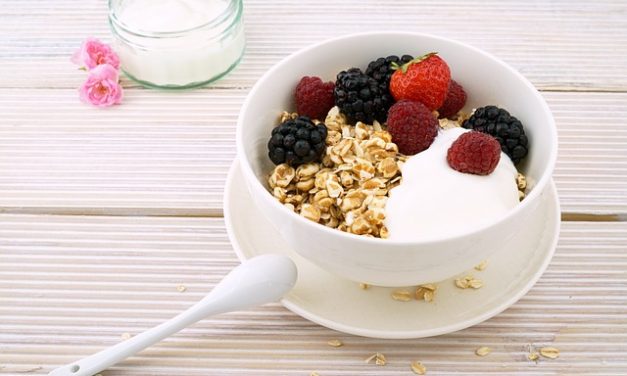
Diabetes 101: What can fiber do for you? Numerous studies found that diets low in saturated fat and cholesterol and high in fiber are associated with a reduced risk of certain cancers, diabetes, digestive disorders, and heart disease.
Diabetes 101: The signs of diabetes and why you need to take care of yourself.
Diabetes 101: Learn to write down the results of your blood tests every day in a record book.
Diabetes 101: Insulin and diabetes pills are the two kinds of medicines used to lower blood sugar.

Diabetes 101: Although insulin is not considered a cure for diabetes, its discovery was the first major breakthrough in diabetes treatment.
Diabetes 101: Taking good care of your diabetes every day will help keep your blood sugar from going too high or too low.
Diabetes 101: Four things you have to do every day to lower high blood sugar plus daily action steps.
Diabetes 101: A good blood sugar range for most poeple with diabetes is from “about 70 to 150. This is before a meal, like before breakfast, or 4 to 5 hours after you last meal.
Diabetes 101: You need to know how well you are taking care of your diabetes. You need to know if you are lowering your high blood sugar. The best way to find out is to test your blood to see how much sugar is in it.
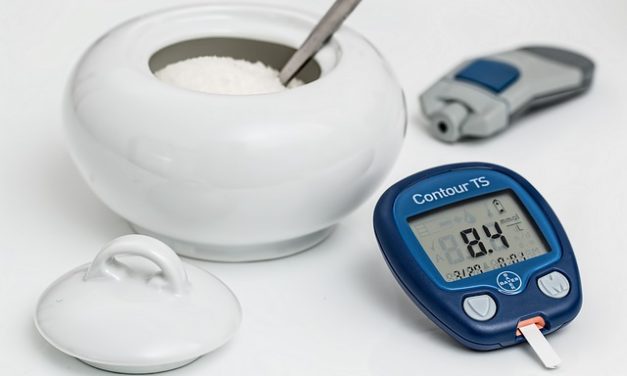
Diabetes 101: Learn about the three main types of diabetes -Type 1 Diabetes, Type 2 Diabetes and Gestational Diabetes in a simple, easy to read format.
Diabetes 101: Diabetes is a disorder of metabolism; the way our bodies use digested food for growth and energy.
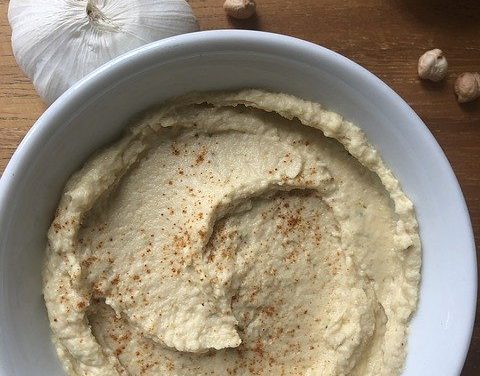
Many of us love eating garbanzo beans – also called chickpeas – when we’re dining out in ethnic restaurants. But can we use them in everyday dishes at home? Of course! Health-conscious Americans are increasingly using these nutritious legumes in salads, stews, and dips.