Managing Blood Sugar on Super Bowl Sunday – Long games, irregular meals, alcohol, and constant snacking can all affect blood sugar levels, especially for people living with diabetes. With a little planning and awareness, you can enjoy the Super Bowl while keeping your blood glucose more stable and reducing stress around food and drink choices.
Plan Ahead and Eat Regular Meals
One of the most important ways to manage your blood sugar on game day is to stick as close as possible to your usual meal schedule. Skipping meals to “save up” for Super Bowl snacks or big spreads can lead to overeating later and unexpected blood sugar swings. Instead, eat balanced meals throughout the day and include healthy snacks in between if needed.
Balanced meals that pair carbohydrates with protein and fiber help slow glucose absorption and support steadier blood sugar. Aim to fill half your plate with non-starchy vegetables, one quarter with lean protein, and the remaining quarter with whole grains or smart carb choices. :contentReference[oaicite:0]{index=0}
Choose Snacks and Portions Mindfully
Game day grazing can make it difficult to track carbohydrate intake. To avoid large spikes, focus on nutrient-dense snacks that blend protein, fiber, and healthy fats. Examples include vegetable trays with hummus, cheese and nut plates, deviled eggs, or low-carb chili.
Eating smaller portions more frequently — rather than large plates of party food — can help keep glucose levels more predictable throughout the event. :contentReference[oaicite:1]{index=1}
Stay Hydrated and Sip Smart
Hydration matters for blood sugar control. Drinking plenty of water supports overall metabolism and helps prevent mistaking thirst for hunger, which can lead to unnecessary snacking. :contentReference[oaicite:2]{index=2}
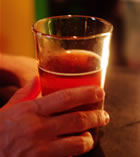
If you choose alcoholic beverages, do so in moderation and always with food. Alcohol can affect blood glucose in unpredictable ways and sometimes lead to delayed low blood sugar — especially for people on insulin or certain diabetes medications. Choose lower-carb options (such as light beer or wine with soda water), alternate with water, and watch your total intake. :contentReference[oaicite:3]{index=3}
Monitor Blood Sugar Throughout the Day
Regular monitoring helps you understand how your body responds to different foods and situations. If you use a traditional glucose meter or a continuous glucose monitor (CGM), check your levels before the party, a couple of hours after eating, and again later in the evening if you’ve eaten irregularly or had alcohol. :contentReference[oaicite:4]{index=4}
Frequent checks empower you to take corrective action if needed — such as adjusting food choices, having a small snack, or contacting your healthcare provider if levels are consistently out of your target range.
Include Light Activity
Even short periods of light physical activity can improve glucose uptake and help lower blood sugar after eating. A brief walk before kickoff, during halftime, or after the game can be beneficial. Physical activity encourages muscles to use glucose more efficiently, helping prevent large post-meal spikes. :contentReference[oaicite:5]{index=5}
Don’t Stress About Perfection
One day of game-day foods won’t derail long-term management. Aim to make thoughtful choices, be mindful of portion sizes, and enjoy your guests and the event. If blood sugar does stray higher or lower than expected, use it as feedback for next time rather than a reason to stress.