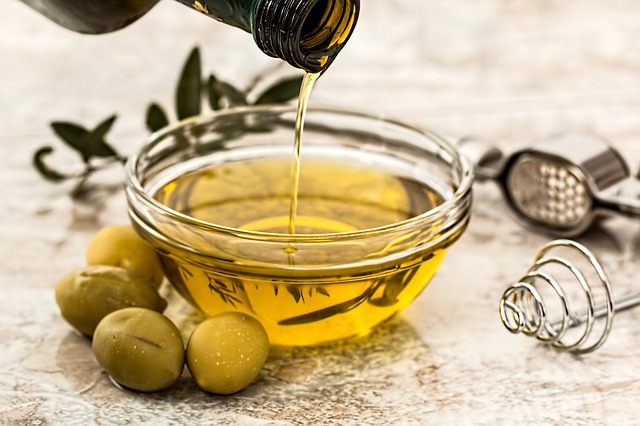
Olive oil is graded according to the degree of acidity. The best olive oil is made from olives that are hand-picked and then cold-pressed (that is, without heat or chemicals), a process that produces a naturally low level of acidity.
Extra virgin olive oil, which comes from the first pressing, is only one percent acid. It is considered the finest and fruitiest olive oil and is therefore also the most expensive. It can range from pale champagne to greenish-gold to bright green in color. In general, the deeper the color, the more intense the olive oil flavor.
After extra-virgin, olive oil is classified in ascending order of acidity as superfine, fine, and pure. So-called pure olive oil is extracted with the aid of heat and solvents and blended with virgin oil; it is paler in both color and flavor than the others.
The new "light" olive oil contains the exact same number of calories as regular olive oil. The term "light" refers to the lighter color, fragrance, and flavor obtained by an extremely fine filration process. All of which make this oil better for baking and cooking, where the distinctive flavor of olive oil might be undesirable.
The flavor of olive oil depends on where the olives come from. In general, olive oils from France have a lighter flavor than those from Greece, Italy, and Spain. If you find yourself with an olive oil that's too strongly flavored for your taste, simply dilute it with canola oil, which has virtually no flavor of its own.
In the end, as with all food, one's taste in olive oil is purely subjective. Try several and compare- it's the only way to choose a favorite.
Source: Cooking Smart by Sharon Tyler Herbst